Ambassadors

EDS and HSD are still widely misunderstood. Many people living with these conditions face disbelief, delays in diagnosis and a lack of appropriate support. Our ambassadors help change that.

EDS UK ambassadors use their voices, platforms, connections or expertise to make Ehlers-Danlos syndromes and hypermobility spectrum disorders more visible. They help people understand what life with EDS or HSD can involve, and support our work to improve awareness, care and support across the UK.
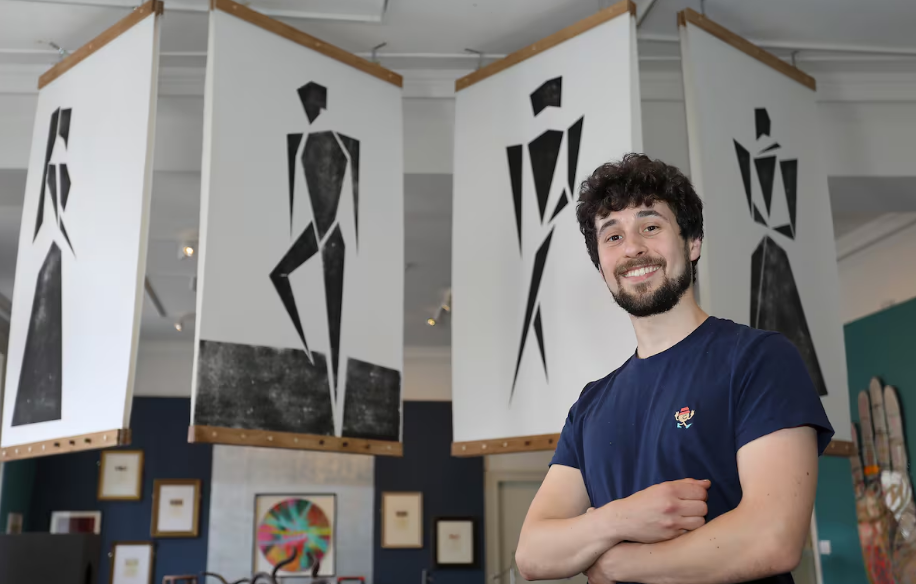
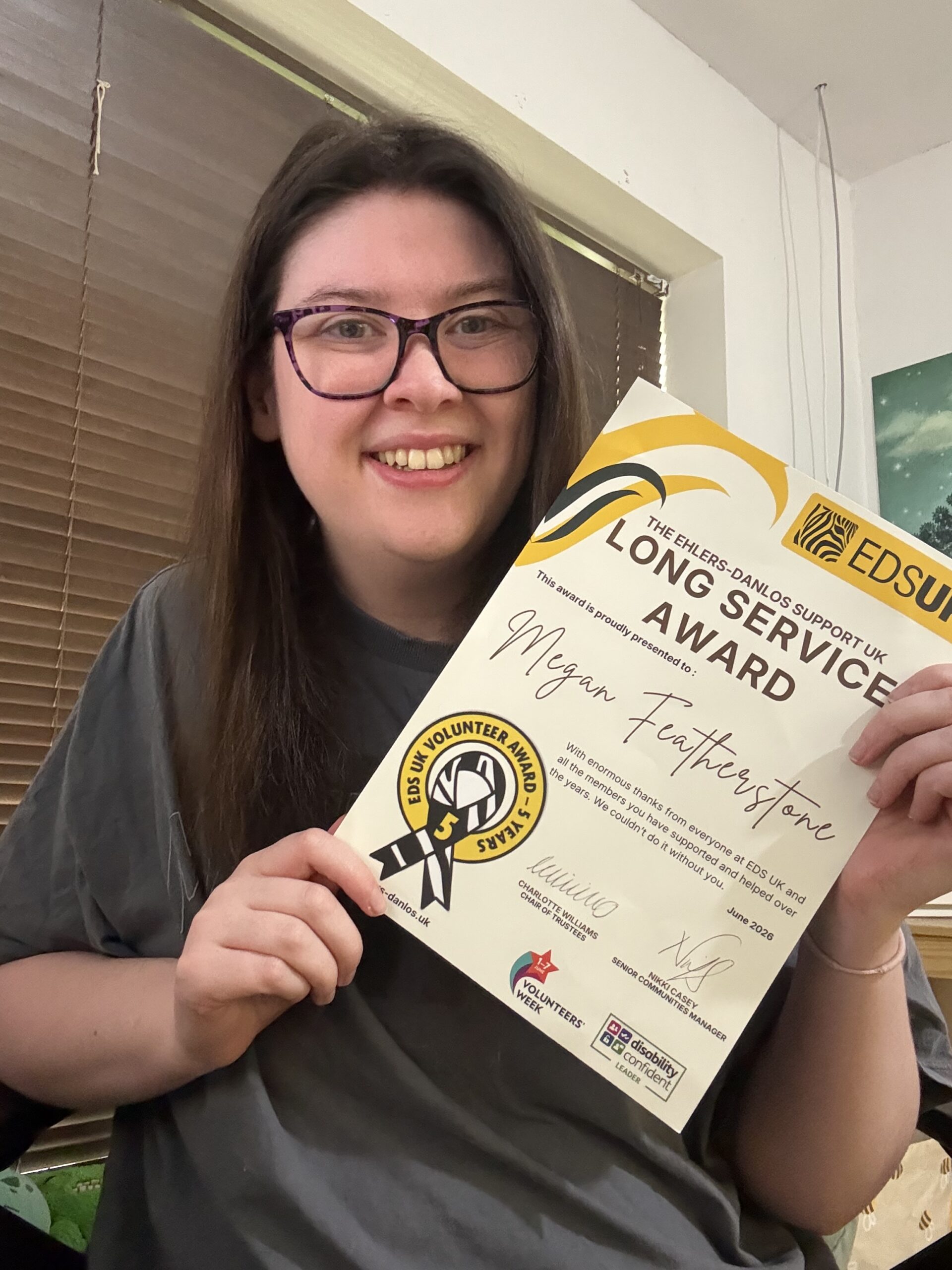
Our Ambassadors

How you can raise awareness now

Many people living with Ehlers-Danlos syndromes and hypermobility spectrum disorder want to do something to help. You may want to raise awareness because you have struggled to be believed, waited a long time for answers, or seen someone you care about face misunderstanding. You may simply want more people to know what EDS and HSD are, and why better support matters. You do not need a formal title to make a difference. Every conversation, shared resource, fundraiser, campaign post or local connection helps make EDS and HSD more visible. Together, our voices can help more people feel believed, informed and less alone. You can help raise awareness of EDS and HSD in ways that fit your life, health and energy. You could:

  1. 1. share EDS UK information with friends, family or colleagues
  2. 2. signpost people to trusted resources on our website
  3. 3. support EDS UK campaigns and Awareness Month activity
  4. 4. talk to your workplace, school, college or university about EDS and HSD
  5. 5. fundraise for EDS UK in a way that feels manageable
  6. 6. share your own experience, only when you feel comfortable
  7. 7. encourage healthcare professionals to use EDS UK resources and training
  8. 8. follow, comment on and share EDS UK social media posts

Share trusted information

Awareness is most powerful when it is accurate.

EDS and HSD are often misunderstood, and misinformation can spread quickly online. Before sharing information, it is worth asking:

  • Where has this information come from?
  • Is it from a trusted charity, healthcare professional, research paper or official source?
  • Is it clear whether someone is sharing lived experience or medical advice?
  • Could this make someone feel frightened, blamed or pressured?
  • Does it overpromise a treatment, cure or diagnosis route?
  • Would I feel confident signposting someone to this?

Lived experience is important. It helps people feel less alone and shows the real impact of EDS and HSD. But personal experience is not the same as medical advice.

When sharing your story, it can help to say:

  • “This is what helped me.”
  • “Everyone’s experience is different.”
  • “This is not medical advice.”
  • “EDS UK has trusted information on this topic.”

Sharing reliable information protects the community and helps build trust.

Working with EDS UK

EDS UK is a small charity with a large and growing community. We are grateful to everyone who wants to raise awareness, fundraise, campaign or share their voice.

We are reviewing how formal ambassador roles should work and will share future opportunities through our website, newsletter and social media when we are able to.

In the meantime, you are already part of something bigger.

By sharing trusted information, supporting campaigns, fundraising, telling your story or helping one person understand EDS and HSD better, you are helping to create change.

Thank you for standing with us. Together, we can make invisible experiences visible and help build a future where people living with EDS and HSD are heard, believed and better supported.

Get involved