Many hypermobile patients will be managed, at least for the majority of their lives, solely within Primary Care. There may not be much advantage to your patient from seeing a rheumatologist who does not have a special interest in hypermobility, certainly not simply for confirmation of a hEDS or HSD diagnosis. However, there are certain situations where a referral may be advisable.
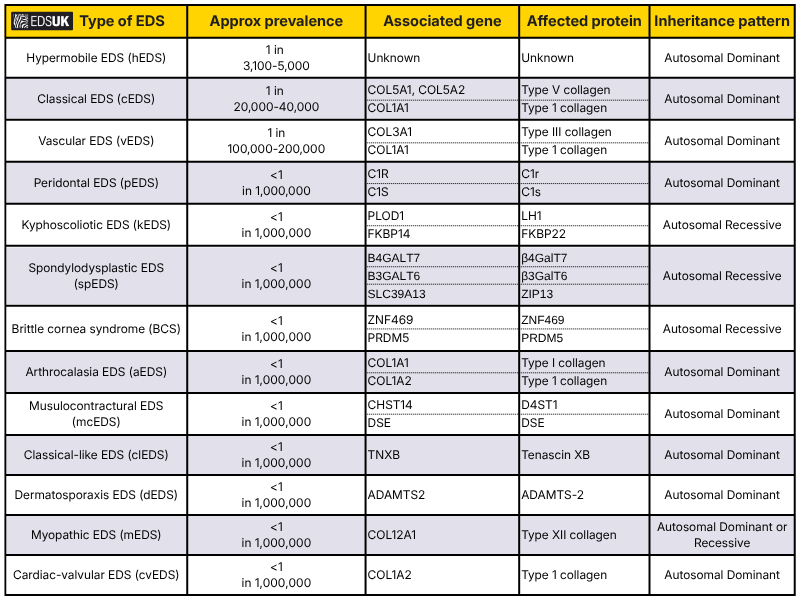
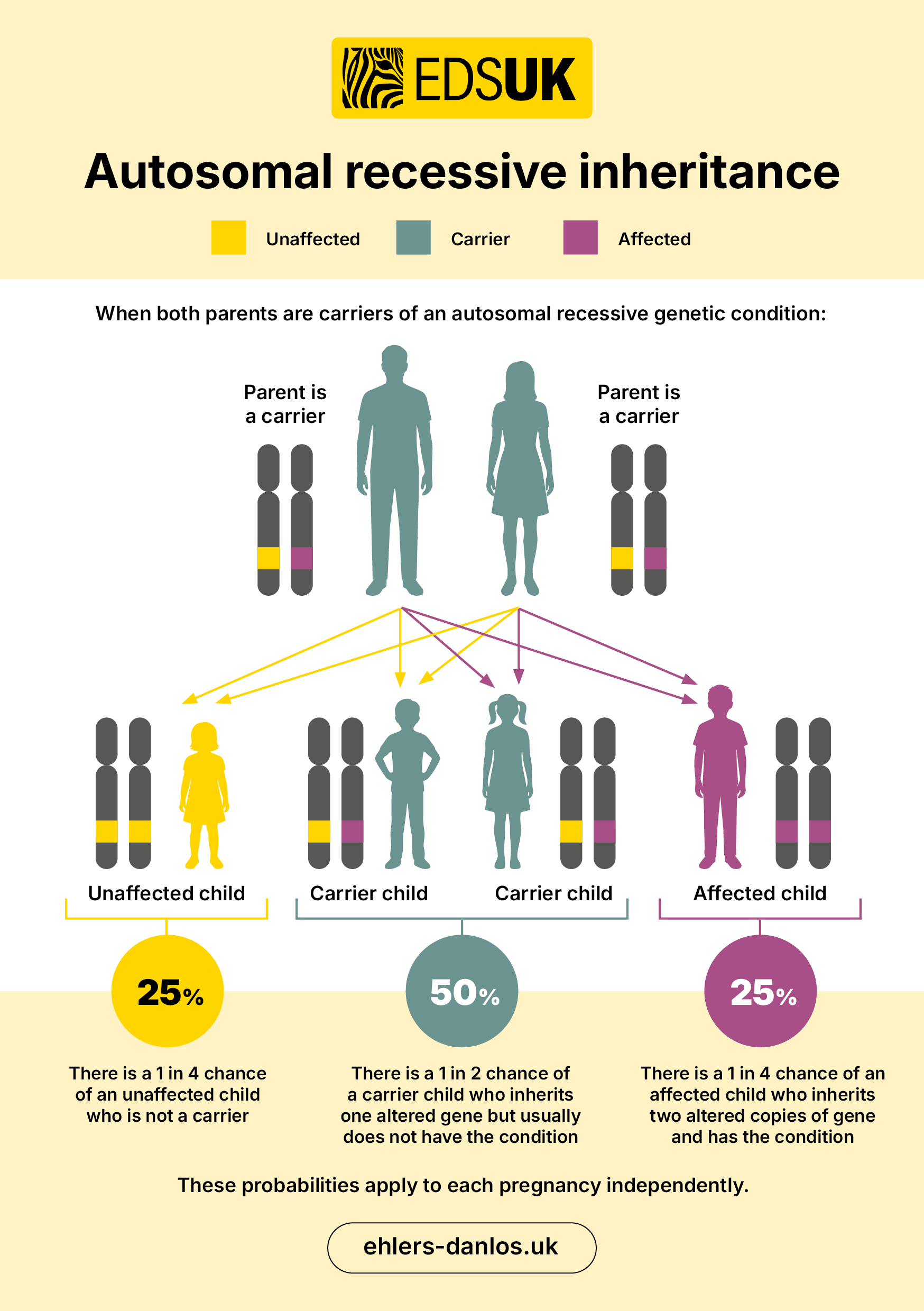
1) If any hypermobile condition other than hEDS/HSD is suspected, referral is indicated so that formal genetic testing may be considered. This would usually be warranted only if more than one of the following features is seen.
Clinical signs
- Skin features – classical (Abnormal scars, very elastic skin) or vascular (translucent skin, skin which tears easily, abnormal bruises – very large or in unusual sites)
- Unusual facial features (thin lips, prominent eyes, narrow nose) in addition to skin fragility
- Severe scoliosis
- Marfanoid body habitus associated with an abnormal echocardiogram or lens dislocation
Personal or family history of any of the following should lead to the consideration of Vascular EDS
- Vascular events (aneurysms, subarachnoid haemorrhage, recurrent severe post-operative haemorrhage, arterial dissection)
- recurrent spontaneous pneumothorax
- bowel perforation uterine rupture
- very severe peripartum perineal tear95,96
2) Where a patient has ongoing musculoskeletal symptoms despite adequate analgesia, physiotherapy/OT/podiatry input, referral to rheumatology should be considered97. It must be remembered that patients may have more than one musculoskeletal condition co-existing. Some studies have shown a higher prevalence of inflammatory and autoimmune diseases in hEDS
3) For other significant or extra-articular symptoms, you may find that there are local specialists who have interest in patients with hypermobility. For example, gastroenterology referral may be beneficial for patients with gut issues in addition to constitutional symptoms, or intractable constipation with complications. Consideration of referral for chronic pain management may also be warranted.
4) Hypermobile patients with severe and complex problems can be seen at the tertiary referral clinic at the Royal National Orthopaedic Hospital, Stanmore, North London. If you think this service might be appropriate for your patient, they need to be referred by a rheumatologist