Self-management by Millie
Self-management is our ability to manage symptoms in a conscious and productive way. In this section, you can find tips/tricks to help manage symptoms on a day to day basis.
Managing pain
Many of us experience pain along our journey. It is important to trial and error techniques as everyone is unique, so something that works for you may not work for others!
Some things that we have found help us manage our own pain are;
- Kinesiotherapy tape (KT tape)
- Joint braces
- Heat/ice packs
- Hot water bottles
- TENS machine for short-term relief
- Distracting techniques such as reading, listening to music/audiobooks or crocheting
Mobility aids
Mobility aids are designed to help people who struggle to move around and enjoy greater freedom and independence. By taking some of the pressure of our bodies, they can help reduce pain, increase confidence and self-esteem.
Some types of mobility aids are;
- Walking sticks
- Crutches
- Walkers /Rollators
- Wheelchairs (manual or electric)
- Mobility scooters
Pacing
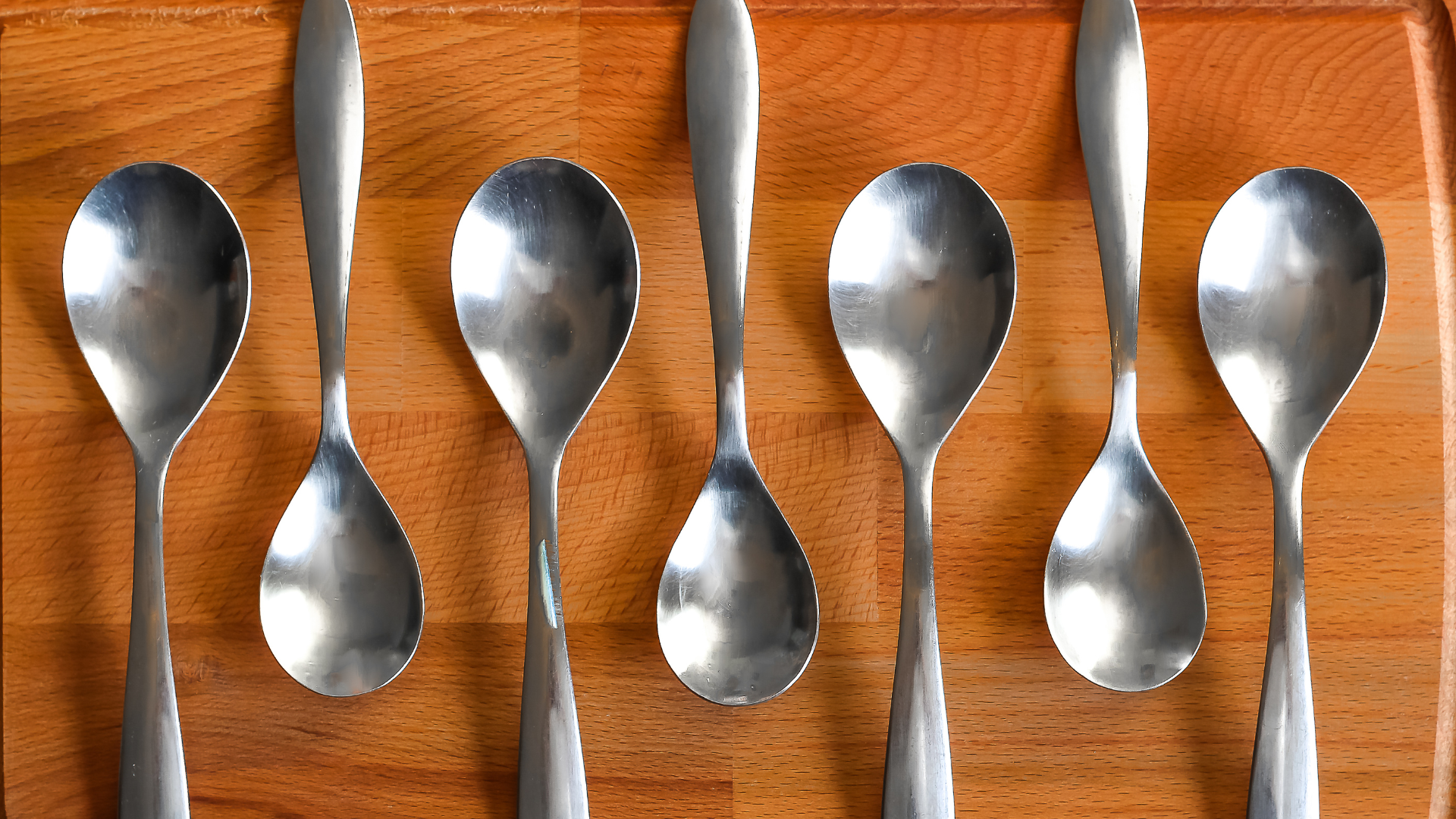
Pacing is about balancing activity and rest, to prevent worsening our symptoms and help us understand our limits. A great way of visualising and explaining pacing is using “the spoon theory”.
‘The spoon theory is a creative way to explain to healthy friends and family what it’s like living with a chronic illness. People with chronic illnesses often have limited energy, which have been represented by spoons. Doing too much in one day can leave you short the next day. If you only had 12 spoons per day, how would you use them?
Take away 1 spoon if you didn’t sleep well last night, forgot to take your meds, skipped a meal. Take away 4 if you have a cold/virus/bad day.
Examples of activities with equivalent amount of spoon;
1 spoon = get out of bed, get dressed, take medication, watch tv
2 spoons = shower/bathe, style hair, go on the internet, read/study
3 spoons = make & eat a meal, make plans & socialise, light housework
4 spoons = go to school/work, go shopping, go to the doctor, exercise
Exercise
Exercise is the best way we can help our bodies and gives us confidence about moving whilst improves our flexibility, stamina, muscle endurance, fitness levels and self-esteem. It also reduces stress and releases tension and allows us to take part in activities with those around us. Exercise can give us more energy to help with fatigue and improve your overall stability whilst reducing the risk of dislocations. Remember all exercises are adaptable to you and it’s important to start off slowly and build up over time.
There are four main types of exercise;
Cardiovascular; This type of exercise gets the heart and lungs pumping and transfers oxygen to the muscles. An example of cardio training is walking, running, cycling and swimming.
Strength; enhances muscles, ligaments, tendons and bones, this reduces the risk of injuries and provides more support to your joints. An example of strength training is Pilates or using resistant bands which helps build core strength, proprioception and body awareness.
Flexibility; Even though many of us are extremely bendy or hypermobile, parts of us can still get stiff. It’s important to change position regularly, take part in yoga classes or do your own gentle stretches at home.
Balance; This is the body’s ability to sense position and movement within joints, it requires coordination and joint stability. Examples of balance training is Tai Chi, standing balance exercises, using a blow up gym ball or trying something fun like the Wii Fit – after all, exercise should be fun!
Many people with EDS or HSD benefit from low-impact exercises that help build up core strength such as Pilates, tai chi or swimming. High impact exercises such as running, weightlifting and contact sports should be discussed with a medical professional before starting due to the pressure on joints and high risk of injury.
With that being said, it is important to check with your doctor/physiotherapist before starting any new exercises to confirm it it’s safe for you to do so.
Diet
People who suffer with EDS or HSD are much more likely to suffer from gastrointestinal and food related complications/symptoms. In fact its estimated 30%-96% of patients with hypermobility disorders have at least one chronic GI symptom!
There isn’t a one fits all diet but rather general advice and guidance that targets the symptoms we are more susceptible to – with goals typically to reduce autonomic dysfunction and inflammation, normalise gut bacteria and support digestion and absorption.
We are often recommended to try a low FODMAP diet which temporarily restricts foods that are more difficult for people to digest to give your digestive system a rest and repair itself from any irritants. You then re-introduce foods one at a time and keep a close eye to identify foods that trigger symptoms for you, so you know to avoid in the future.
Professional help
There is only so much we can do on our own, so it is very important to openly communicate with health care professionals who can help us when things are unmanageable on our own. Your GP plays a key role in helping you by coordinating your care, managing/prescribing medication and referring you to specialists if needed.
Due to our connective tissues covering all over our body, we are prone to suffer with multiple health conditions, which could mean we are under multiple specialist consultants such as physiotherapists, gastroenterologists, urologists, neurologists etc at any given time. Unfortunately it’s very common to have mismatched care due to ill-communication between specialists and it is the GP’s job to act as your advocate and to interpret information/advice from specialists.
If your GP is unaware of EDS or HSD, you can find “The Royal College of GP’s EDS toolkit” on our website which will help guide them into giving you the right support.