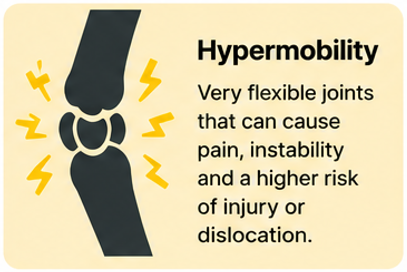
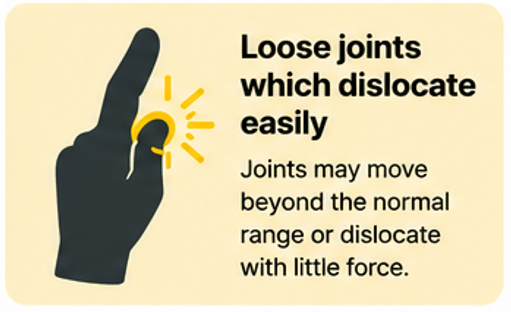
One of the most common symptoms of both EDS and HSD is joint hypermobility. Many people with these conditions are often described as being “double-jointed.” While this might seem like a cool ability at first, it can actually cause a lot of problems. Joints that move too much can become unstable, leading to frequent sprains, dislocations, and injuries. Some people experience joints slipping partially out of place, known as subluxations, which can be painful and frightening.
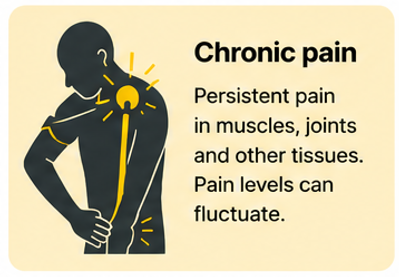
Chronic pain is another major symptom. Many people with EDS and HSD experience pain every day, even when they have not injured themselves. This pain can affect different parts of the body, including muscles, joints, and ligaments. Because the body has to work harder to stabilise loose joints, muscles often become overworked and tired, which can make the pain even worse. For teenagers trying to keep up with school, hobbies, and social activities, living with constant pain can be extremely challenging.
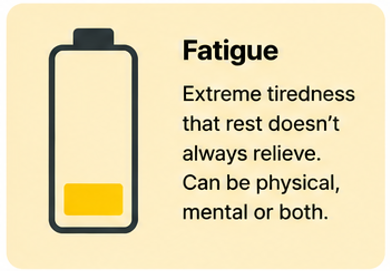
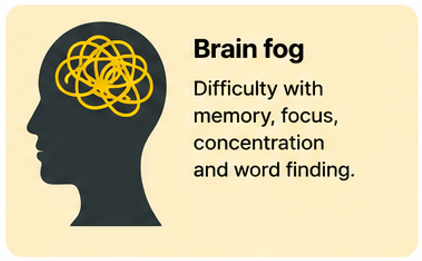
Fatigue is also very common. People with EDS and HSD often describe feeling exhausted even after getting a full night’s sleep. This is because their bodies are constantly using extra energy to support unstable joints and manage pain. Fatigue can make it difficult to concentrate in class, complete homework, or take part in sports and other activities. Some people may feel frustrated because others do not understand why they are always tired.
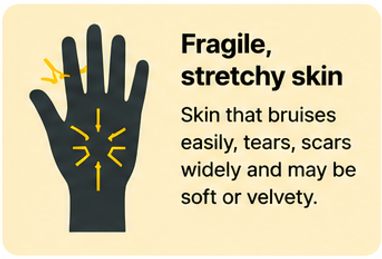
Many people with EDS have skin-related symptoms as well. Depending on the type of EDS, the skin may be unusually soft, stretchy, or fragile. Cuts and bruises may occur more easily than in other people, and wounds can sometimes take longer to heal. Some individuals develop noticeable scars that look thin or papery. However, skin symptoms can vary greatly from person to person.
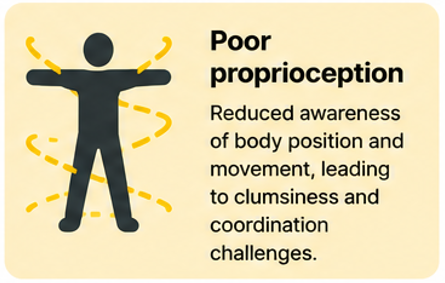
Another symptom often seen in EDS and HSD is poor balance and coordination. Because the joints are less stable, people may appear clumsy or accident-prone. They might trip frequently, bump into things, or struggle with activities that require balance. This can sometimes lead to embarrassment, especially in situations such as physical education classes at school.
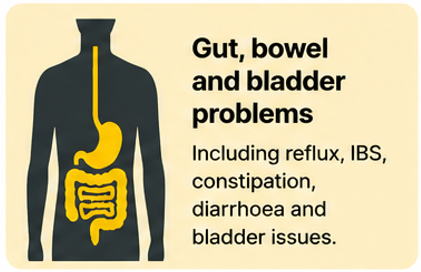
Digestive problems are also common. Many people experience symptoms such as stomach pain, bloating, constipation, acid reflux, or nausea. These symptoms can have a significant impact on daily life and may affect eating habits and overall wellbeing. In some cases, digestive issues can be just as difficult to manage as joint problems.
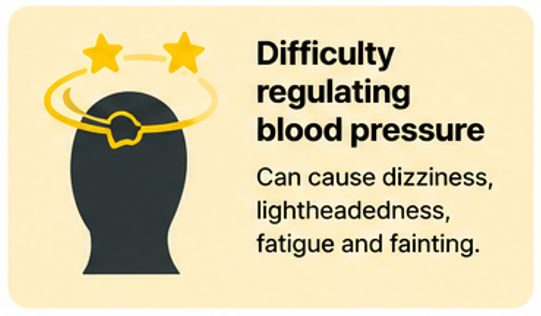
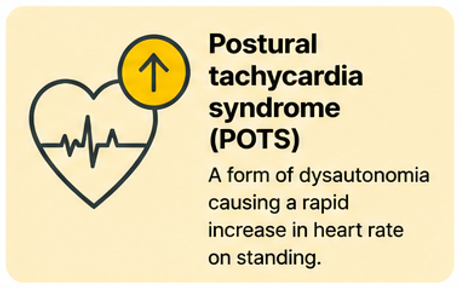
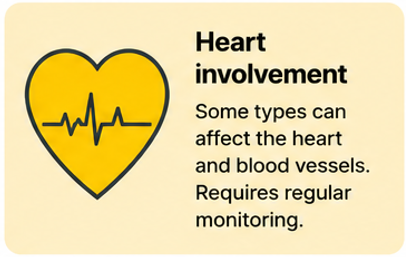
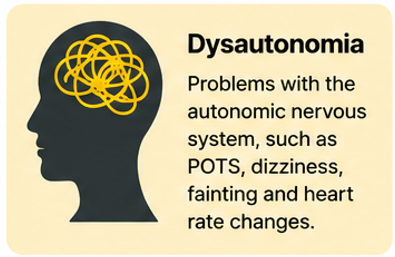
EDS and HSD can also affect the cardiovascular and nervous systems. Some people experience dizziness, light-headedness, or fainting when standing up. This can be linked to conditions such as Postural Orthostatic Tachycardia Syndrome (POTS), which is more common in people with hypermobility-related conditions. Symptoms like these can make everyday activities more difficult and may sometimes be mistaken for anxiety or lack of fitness.
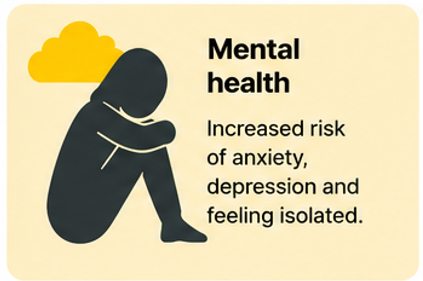
Mental health can also be affected. Living with chronic pain, fatigue, and symptoms that are often misunderstood can be emotionally exhausting. Some people with EDS and HSD may experience anxiety, depression, or feelings of isolation. Young people in particular may struggle when they cannot participate in activities in the same way as their friends. Having support from family, friends, teachers, and healthcare professionals can make a huge difference.
One of the challenges of EDS and HSD is that symptoms can vary widely between individuals. Some people have relatively mild symptoms and are able to manage their condition with exercise, physiotherapy, and lifestyle adjustments. Others may experience severe symptoms that significantly affect their education, work, and daily life. Because the conditions are often invisible, people may look healthy on the outside while dealing with considerable difficulties internally.
Diagnosis can sometimes take a long time because symptoms overlap with many other conditions. Some people spend years seeking answers before receiving a diagnosis. Increased awareness of EDS and HSD is important so that people can access the support, treatment, and understanding they need.
Ehlers-Danlos Syndrome and Hypermobility Spectrum Disorder are complex conditions that affect much more than just flexible joints. Common symptoms include joint instability, chronic pain, fatigue, skin problems, digestive issues, dizziness, and mental health challenges. Although these conditions can have a major impact on daily life, greater awareness and understanding can help people receive better support and improve their quality of life.