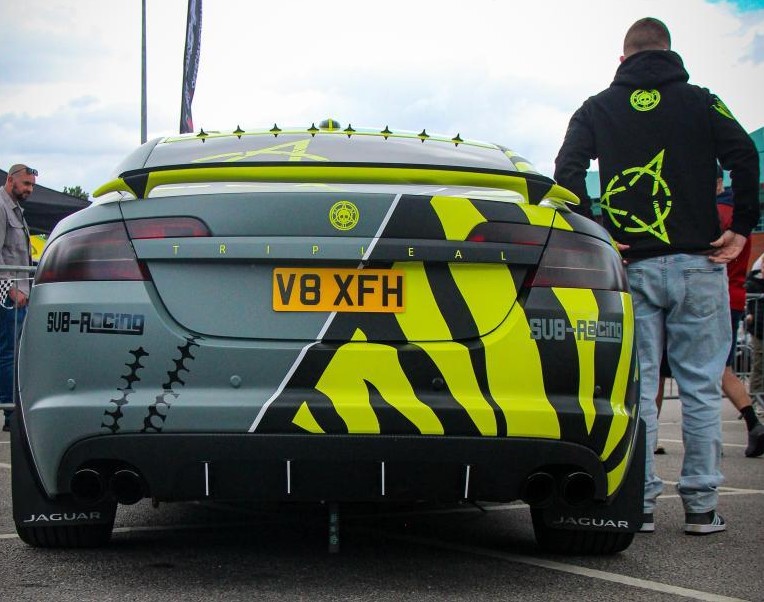
Triple Al and the Zebramobile
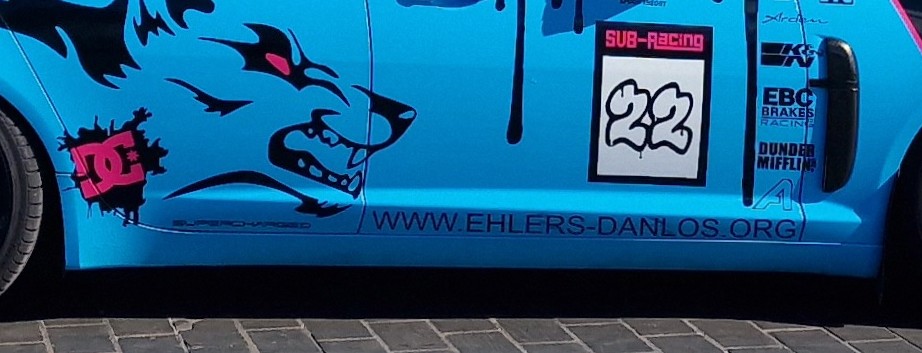
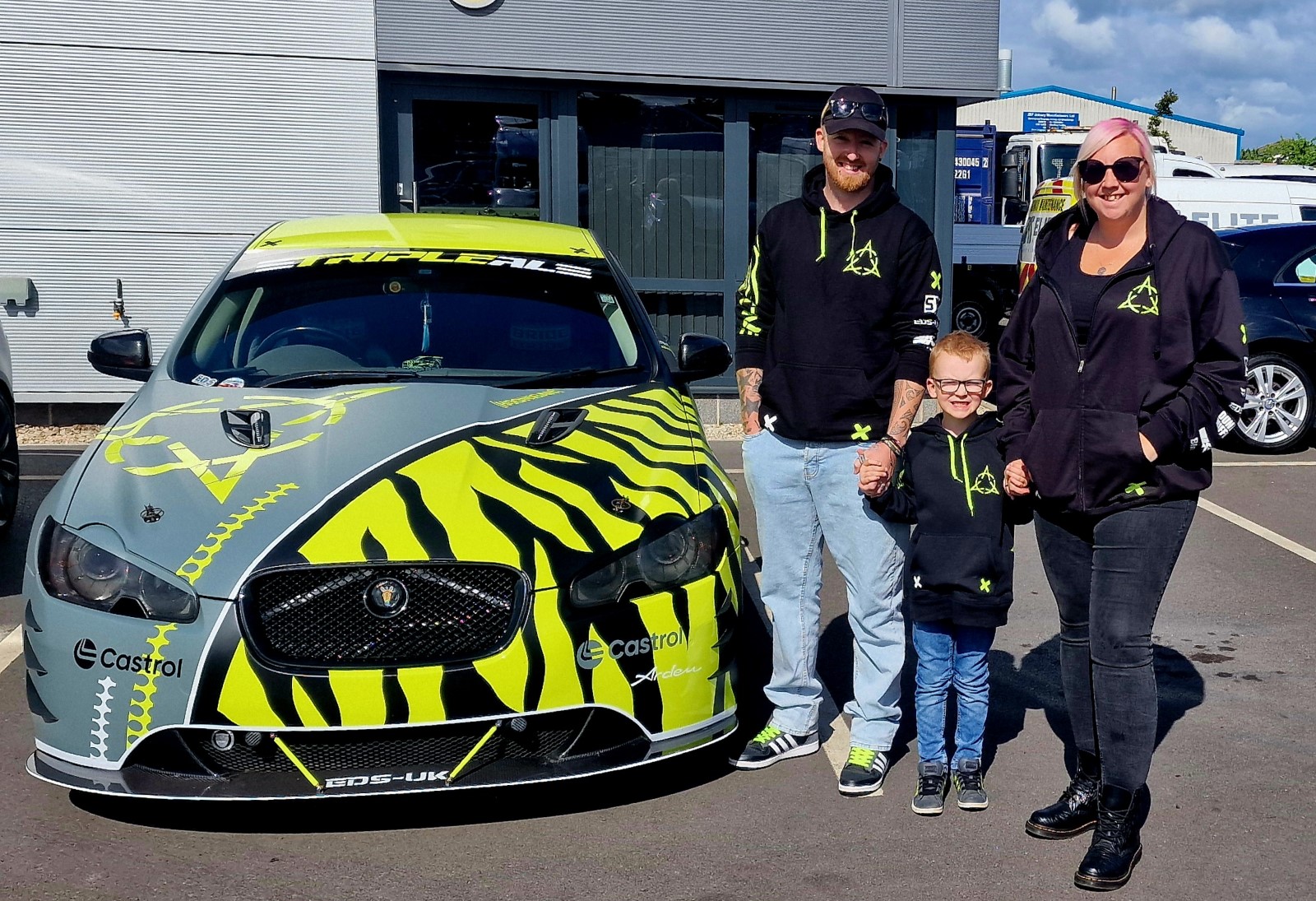
In the Summer of 2025, an eagle–eyed member spotted a zebra–striped car at a local car show and was amazed to see it had #edsawareness on the side, as well as our website address! We set to tracking down the owner, and again, with help from our members, we found Al and Alice Holden who kindly agreed to share their story of a strong marriage through the trials of EDS.
Alice
My journey has not been without challenges; there’s no doubt about it – adulting is hard. Then add EDS to the mix, and you have two choices. Stand up and fight (obviously not always literally stood up) or let it consume you. I am extremely lucky that not only did my mum and dad raise me as a fighter, but I now have an incredible support system in my husband Al and my 6 year old son Alfie – hence the family name Triple Al, which can also be seen on the car.
Before I met my husband, I felt trapped in a cycle of anger, frustration and pain. I first dislocated at the age of 15 – it was my hip and just before my GCSE’s. Of course, when I was taken to A&E, everything was back where it should be, and I was told it was a pulled muscle. There were many dislocations that followed, but at that point I had no idea what was happening, as every time I went there was nothing to show for the pain. This was followed by three years of appointments, which eventually led me to some answers to my questions when my hip dislocated in my rheumatologist’s hands. At the age of 18, I had my first label: hyper-mobility syndrome. This was the first time I heard a reason, other than growing pains or that it was in my head. I received my full diagnosis three years later at Stanmore.
Although I had received part of my diagnosis at quite an early stage compared to most, I still struggled to understand my pain and limitations, and had not yet gained the ability to advocate for myself. One of my biggest battles was fighting my pride. I refused to back down to the pain and fatigue I was feeling, and refused to rest. I struggled, due to both the fear of judgement and because I felt that I should be able to act like everyone else my age instead of missing out or suffering as a consequence of having fun.
When I was 21, everything changed. Not only did I start my relationship with Al, but I also started my treatment at Stanmore Royal National Orthopaedic Hospital. I was referred to Stanmore after lots of appointments with various surgeons. When I attended their rehab program, they quickly realised I had other symptoms, and this triggered the full diagnosis of Ehlers-Danlos syndrome type 3. This consequently meant I needed booking on to more rehabilitation treatment courses.
Stanmore was the first place I felt understood – no one wanted to chop my tendons to shorten them (this was one surgeon’s suggestion on all my major joints), and they quickly shut down my previous prognosis of either being wheelchair-bound by my 30’s or that I would naturally and painfully stiffen up by being riddled with arthritis and therefore no longer too flexible. Both of these prognosis petrified me, and didn’t appeal to me at all as a 19 year old.
So myself and Al, with the help of the amazing staff at Stanmore, started our journey learning about EDS and all its ‘quirks’. Not only did Al educate himself, but he became my advocate and massively contributed to both my emotional and physical healing. His belief in my worth and my abilities changed how I saw myself. My husband is my rock, he understands the impact EDS has on all of us and, without hesitation, he supports me by alleviating any barriers he can, allowing me to continue to be a mother, a wife and an individual. He really did take “in sickness and in health” and run with it, whether I need comfort or a solution.
We are also blessed with our six year old who, despite his young age, has an incredible understanding of EDS and shows great amounts of care and empathy towards me. He understands when mummy is tired or in pain, and will often gently hug me or rub my sore spots to make me feel better. I feel so proud that he has such compassion and patience, and I hope when he grows up he continues to show this to others, especially those with an invisible illness as they are so often misunderstood.
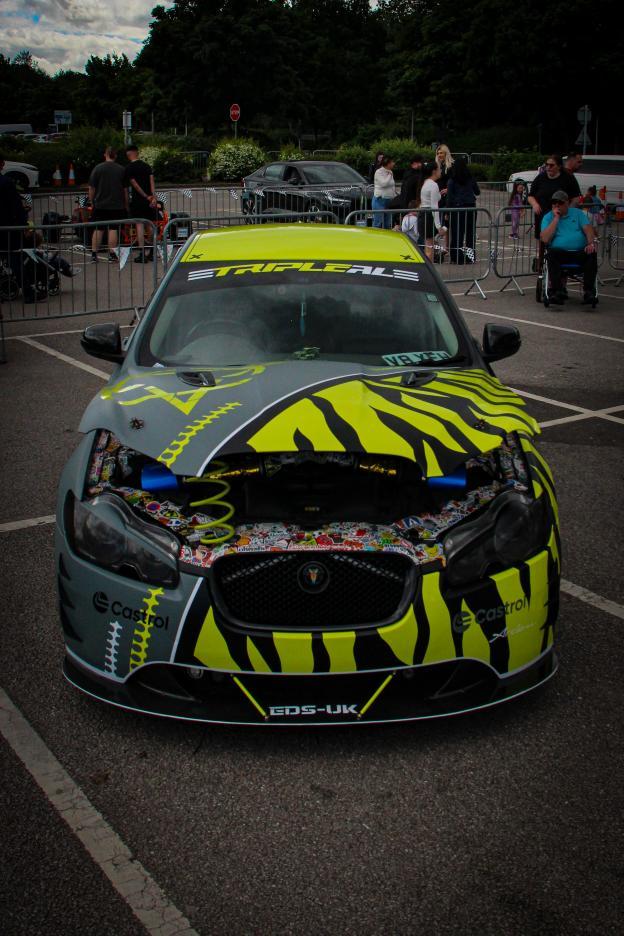
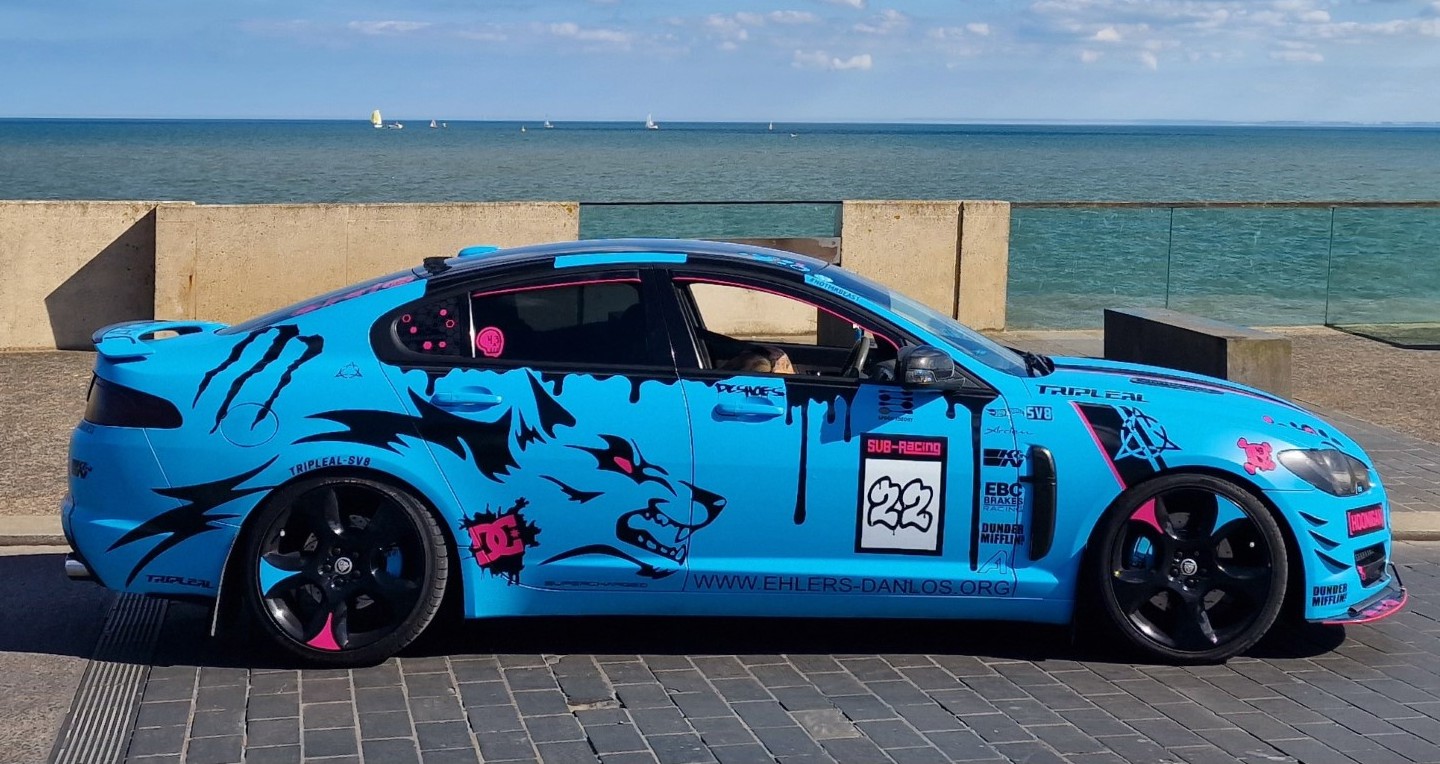
While not everyone in my life has understood this condition, the friends and family who do support me have proven invaluable. As I have navigated this journey, it has become increasingly clear that not everyone believes that EDS is real, whether it’s friends, health care professionals or employers. This fuels my husband’s fire to raise awareness and he has chosen to do this through his passion – his cars. He has personally wrapped his cars (multiple designs and cars over the years) to spark the conversation of “what is EDS?”, to which he will happily stand and explain whether this be parked in Asda or at one of the many car shows we attend across the country as a family. We have been spotted in many places and often get tagged in photos on social media, which shows the car is doing a great job of raising awareness.
All of this goes to show that from being young, feeling like hypermobility was going to be me, leading to an EDS diagnosis, over time things can get better…even if the pain gets worse.
Al
I’m the proud husband of a woman who wrestles Ehlers-Danlos Syndrome like it owes her money, and somehow still manages to smile through it.
As the husband of a powerful woman with EDS, I see what others don’t. I see the mornings that begin with pain and the nights that end in exhaustion. I see the strength it takes for her to parent our son with love, warmth, and patience, even when her body is working against her. I see her face each day with more grace and resilience than most could ever imagine. And I help her, not because I have to, but because I want to. Because I love her.
If I could take her pain away, I would in a heartbeat. Believe me, if rubbing a magic lamp would do the trick, I’d have one in every room. But since that’s not how life works, I do my best, in every small way I can, to make her world a little lighter. Sometimes it’s just about making her laugh, like when she’s trying to click her hip back in place mid-shop, and I join in. To the average passer-by, it probably looks like we’re filming a 1970’s home Pilates video in the middle of the cereal aisle. But for us, it’s connection, it’s humour, and sometimes, it’s those moments that make the hard days easier.
Sometimes people ask me if it’s hard, living with someone who has EDS, but honestly, I don’t see it that way. It’s not a struggle for me, because it’s just second nature now. We’re so in tune with each other that I often know how she’s feeling before she even says a word. I’ve learned to read the subtle signs, the shift in her posture, the way she holds her breath when something twinges, even just a look in her eyes. We’re a team. She supports me, I support her, and we just get on with it. Love makes that easy. There’s no manual for this kind of life, but when you care this much, you adapt without even realising.
One of the hardest parts of EDS is that it’s invisible. People see her smiling, chatting, pushing through the day, and assume she’s fine. But what they don’t see is the pain under the surface, the mental and physical toll it takes just to function. Because she carries it so well, people often don’t believe it’s even there. But I see it. I can tell. And that’s why I wrapped the car, to help make the invisible visible.
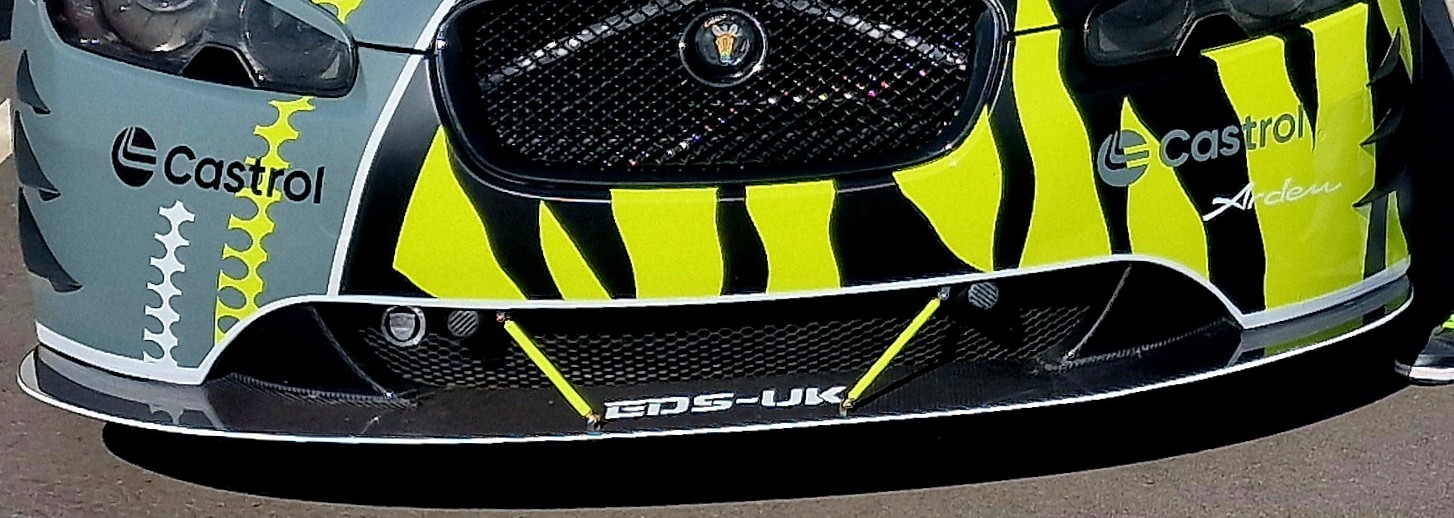
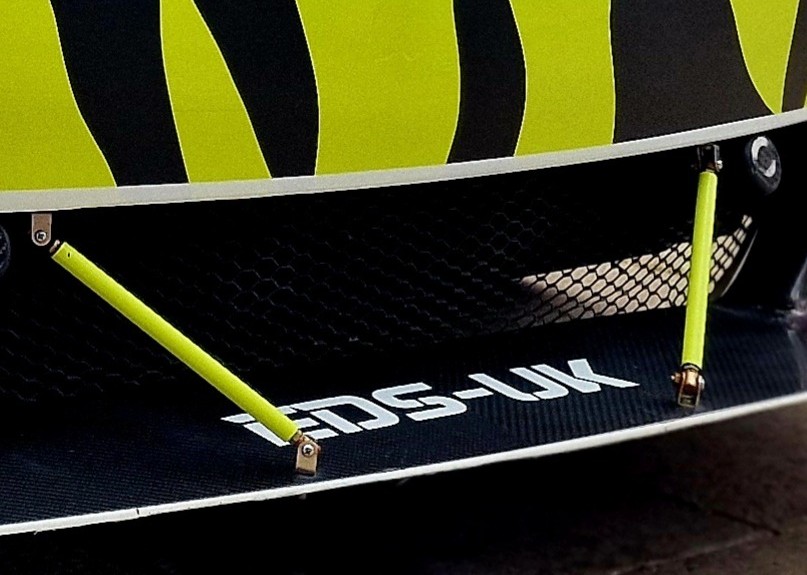
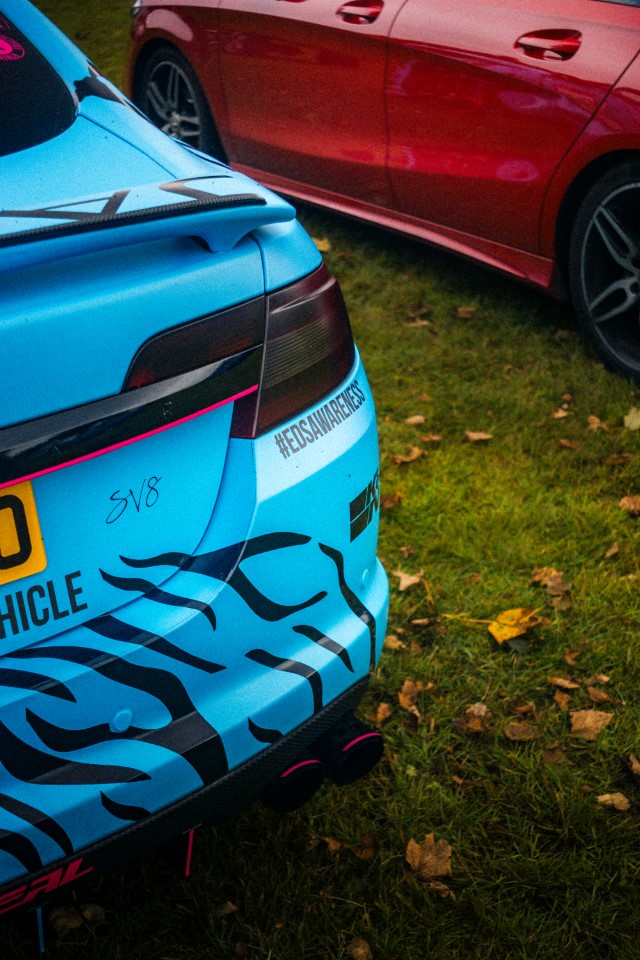
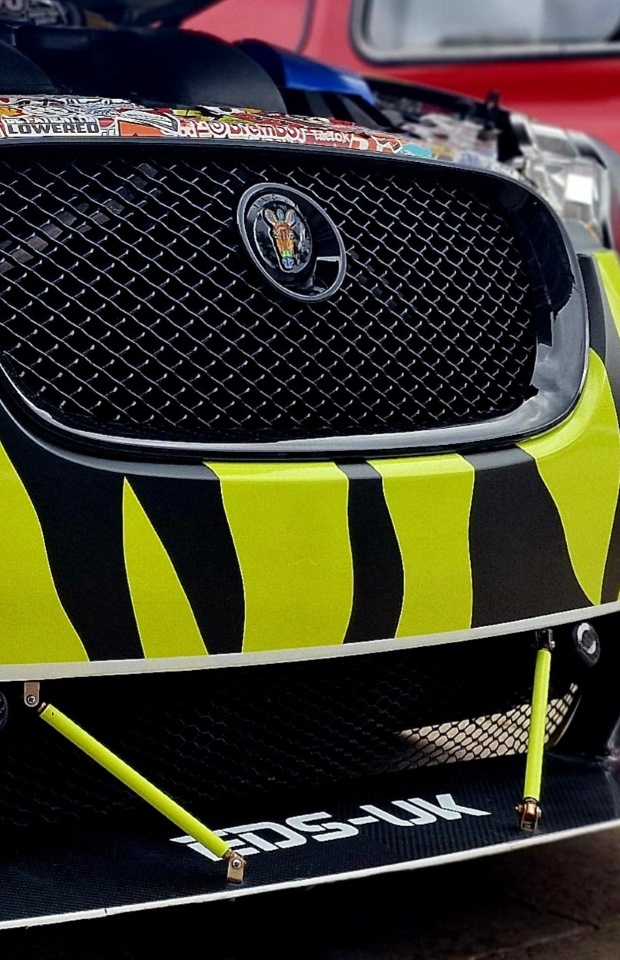
What started as a personal tribute quickly turned into something more. We attend car shows all across the UK as a family, and my car, originally wrapped in blue, pink, and black, became a rolling awareness campaign, which is how we got noticed and asked to write this article. The new design, now featuring bold neon zebra stripes and a custom zebra badge, turns heads everywhere we go. But for me, it’s not about the attention, it’s about the conversation.
If even one person comes over at a show and asks, “Why the zebra?” then I’ve done what I set out to do. One question means one more person who might understand EDS. One more person who may go home and support someone they love a little better. Awareness always starts with one conversation.
And while I might be the one standing next to the car, it’s my wife who drives this mission. She’s the reason. She’s the inspiration. She lives with a condition that would break many, and yet she keeps going. Not just going, thriving. She’s an incredible mother, a brilliant partner, and every single day she reminds me what true strength really looks like.
So I’ll keep driving, I’ll keep talking, and I’ll keep showing up, for her, for our son, and for everyone out there fighting the invisible fight of EDS. Because when you love someone this deeply, raising awareness isn’t just a mission, it’s a privilege.